Federal move would override state-level AI policies before they launch
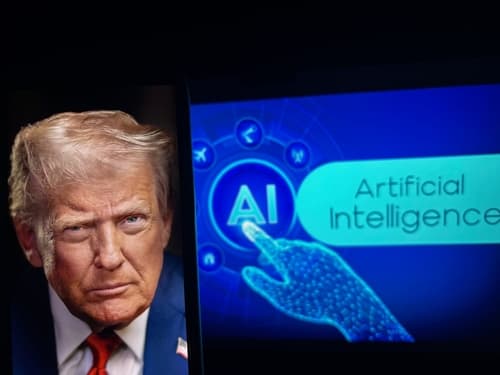
Florida Governor Ron DeSantis has been perhaps the most vocal state leader when it comes to advocating for strong, state-specific rules on artificial intelligence. But an executive order from former President Donald Trump, expected to be released as soon as Friday, may stand in the way of states setting their own AI regulations – and with it, Florida’s efforts before they even get off the ground.
Conflicting Visions on AI Regulation
DeSantis has long maintained that individual states should be free to pursue their own AI policies. He called the technology “the biggest issue facing our society” and voiced strong opposition to any overreach by Congress or the White House that would forbid states from pursuing independent action.
Yet, the White House reportedly prepares a broad executive order to consolidate federal control over AI policy. The administration is likely to claim that AI policy constitutes interstate commerce and thus is the sole domain of the federal government. States that attempt to enact conflicting policies are likely to face legal challenges from federal officials, in effect barring states like Florida-even with their relatively mature policy development processes-from instituting their own regulatory frameworks.
Industry Influence and Federal Strategy
Major tech firms and many Republican lawmakers in Washington have been pushing for a single national approach to the regulation of AI, warning that doing otherwise would result in regulatory patchwork across different states driving up operational costs and stifling innovation in those companies operating in multiple states.
The expected Trump order seems to reflect those ideas, since it would create one national rule to replace various state ones.
Implications for Florida’s AI Policy Plans
Florida has weighed different forms of AI oversight for months: • Lawmakers have considered restrictions and even temporary pauses on AI deployment.
• The state House has planned an “AI Week” in December to explore the technology’s potential effects in areas such as education and healthcare.
• DeSantis has repeatedly made the case that without state-based oversight technology companies will acquire disproportionate influence, especially in terms of content moderation, child safety, intellectual property, and infrastructure vulnerabilities.


-1-640x427.png&w=3840&q=75)
-1-300x200.png&w=3840&q=75)
-1-300x200.png&w=3840&q=75)
-300x200.png&w=3840&q=75)
-300x200.png&w=3840&q=75)
-300x200.png&w=3840&q=75)
-300x200.png&w=3840&q=75)
-300x200.png&w=3840&q=75)
-300x200.png&w=3840&q=75)