Executive Action to Lower Food Prices
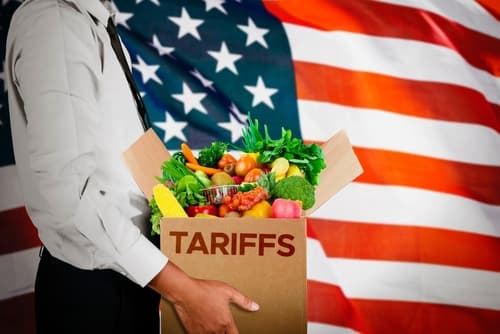
President Donald Trump has signed an executive order in the hopes of easing the pain of increasingly prohibitive grocery bills for America’s households by suspending tariffs on more than 100 imported food items. Items range from such staples as coffee, bananas, and beef to spices and a raft of specialty crops.
These exemptions would focus on products not being produced in any significant quantity within the U.S. and, therefore, would protect U.S. agriculture but give maximum relief to consumers.
Policy Pivot Amid Inflation and Political Pressure
For years, the administration maintained a strict tariff regime and justified it as a form of protection for American industries. But the sustained price hikes, especially in meat and other food categories with imported goods, have now prompted a recalculation.
With inflation now a political liability following recent elections, the administration has turned its focus to selective tariff relief. Trump also launched an investigation into alleged price manipulation in the meatpacking industry and floated other proposals, including offering tariff rebates or renegotiating trade deals with specific countries to lower import costs.
Duty-free beverage ingredients and flavorings
The following beverages are now exempt from tariff: coffee, cocoa, black tea, green tea, and vanilla beans. All of these products are mainly imported. It is anticipated that the rollback will cut down on the costs of manufacture in addition to retail prices for consumers and commercial food manufacturers.
Relief for Beef and Processed Meat Imports
The order contains broad exemptions on beef products, including premium cuts, frozen meats, and preserved varieties such as corned beef and smoked ones. It is being done in a bid to reduce surging beef prices and boost market stability in one of the most heavily-hit grocery sectors.
Climate-Based Exemptions Boost Fresh Produce Imports
The tariff rollback includes a number of imported fruits and vegetables to help offset seasonal and climate-related supply shortages. Newly exempt include bananas, avocados, pineapples, mangoes, limes, tomatoes, plantains, coconuts, and multiple varieties of fresh peppers.
Spices and Seasonings See Full Exemption
Tariffs are off the table for a wide variety of spices, most of which are totally imported. These include cinnamon, cardamom, saffron, turmeric, paprika, cumin, ginger, cloves, and oregano, among others. The exemption will see both households and large-scale food suppliers who rely on bulk spice imports benefit.



-1-640x427.png&w=3840&q=75)