How humanoid boxing bots are captivating tech fans and changing the way we think about robots
Robots fighting in a boxing ring might sound like science fiction, or a scene out of Real Steel, but it’s very real today. Recent events in San Francisco and China have brought humanoid robot boxing matches into the public eye, drawing crowds, sparking debate, and offering a glimpse at how far robotics technology has progressed. Chinese robotics companies, especially Unitree, are leading this trend by supplying the humanoid robots that step into the ring, while innovators abroad are building leagues and entertainment around them.
The San Francisco Robot Boxing Phenomenon
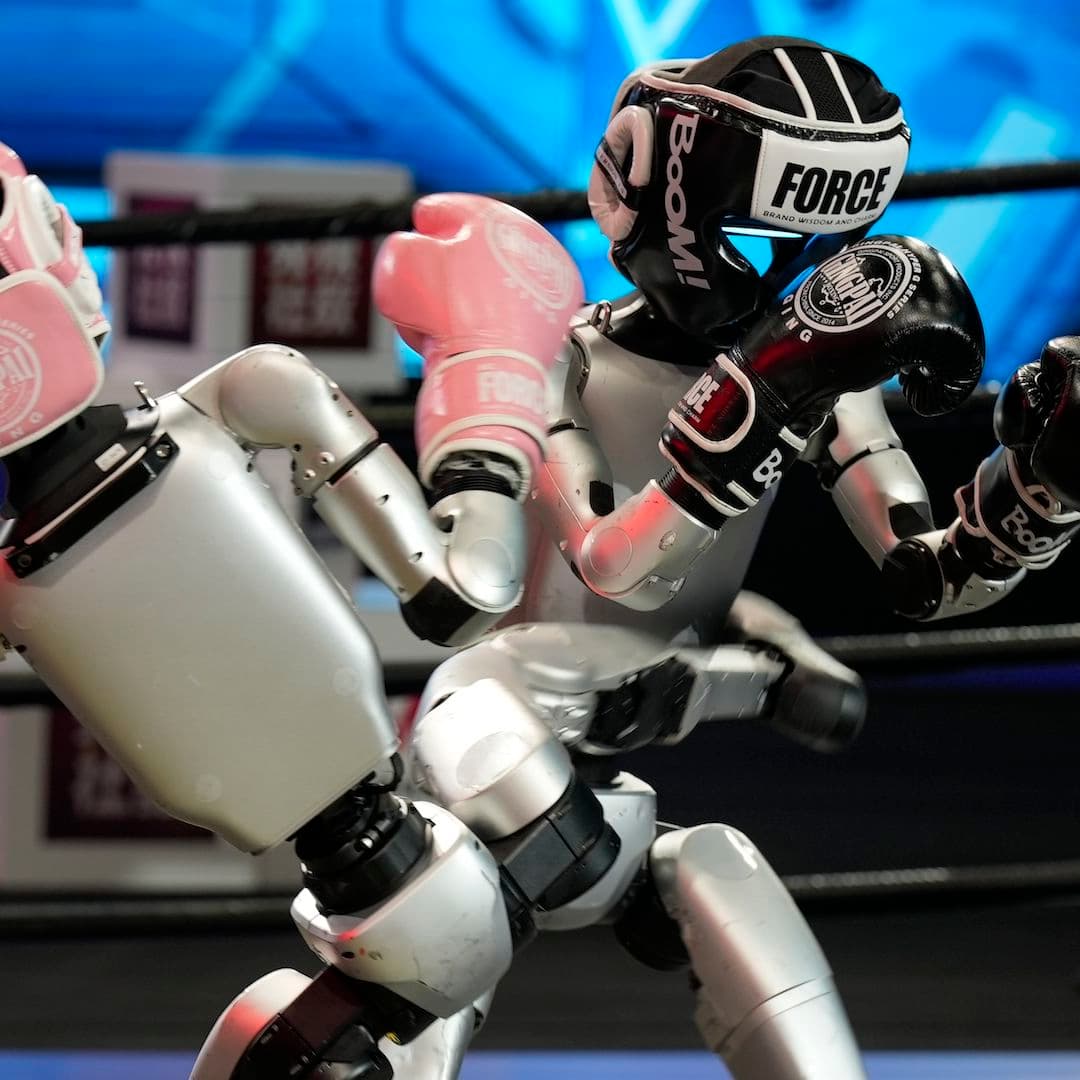
In early 2026, a unique event in San Francisco attracted hundreds of spectators to watch robots square off in a boxing cage. The matches were organized by a Bay Area startup called Rek, and featured humanoid robots manufactured by the Chinese robotics firm Unitree. These robots weighed around 80 pounds and stood approximately 4.5 feet tall, with human like hands and dozens of motorized joints that allowed them to throw jabs, hooks, and blocks while navigating around the cage.
The atmosphere was deliberately theatrical: pulsing music, animated introductions, and even commentators narrated each bout. Although the robots were not autonomous athletes, but rather piloted via virtual reality and remote control by human participants, the crowd’s reaction suggested a genuine interest in this emerging form of entertainment. Plans are already underway to expand these matches into a regular league, featuring larger robots that could weigh up to 200 pounds and stand nearly 6 feet tall.
China’s Robot Boxing Landscape
While the Rek matches in the U.S. generated excitement, China has been pushing humanoid robot combat even further. Events in cities such as Hangzhou have seen robots from Unitree and other Chinese firms participate not just in boxing but in a variety of competitions, including races and sports demonstrations. These occasions showcase China’s rapid advancement in robotics, where humanoid machines are featured in competitions, games, and public spectacles.
Unitree’s humanoid robots, such as the G1 model and other variants like the H1 and H2, have been central to these developments. Originally designed with broader purposes in mind from research to entertainment and even household tasks these platforms are now being adapted for combat scenarios, challenging traditional ideas of what robots can do.
Humanoid Robots: From Labs to the Ring


-640x427.png&w=3840&q=75)


-300x200.png&w=3840&q=75)
-1-300x200.png&w=3840&q=75)

-1-300x200.png&w=3840&q=75)
-1-300x200.png&w=3840&q=75)
-300x200.png&w=3840&q=75)
-300x200.png&w=3840&q=75)
-300x200.png&w=3840&q=75)
-300x200.png&w=3840&q=75)