In the world of cryptocurrency, trends move fast. Solana, once known for hosting a wild frenzy of memecoins, is now seeing a sharp pivot. Traders who once chased viral tokens are now turning to something more structured: prediction markets. Instead of speculating on dog-themed coins or meme-powered tokens, people are putting their money into bets on real-world events like elections, economic outcomes, and even sports.
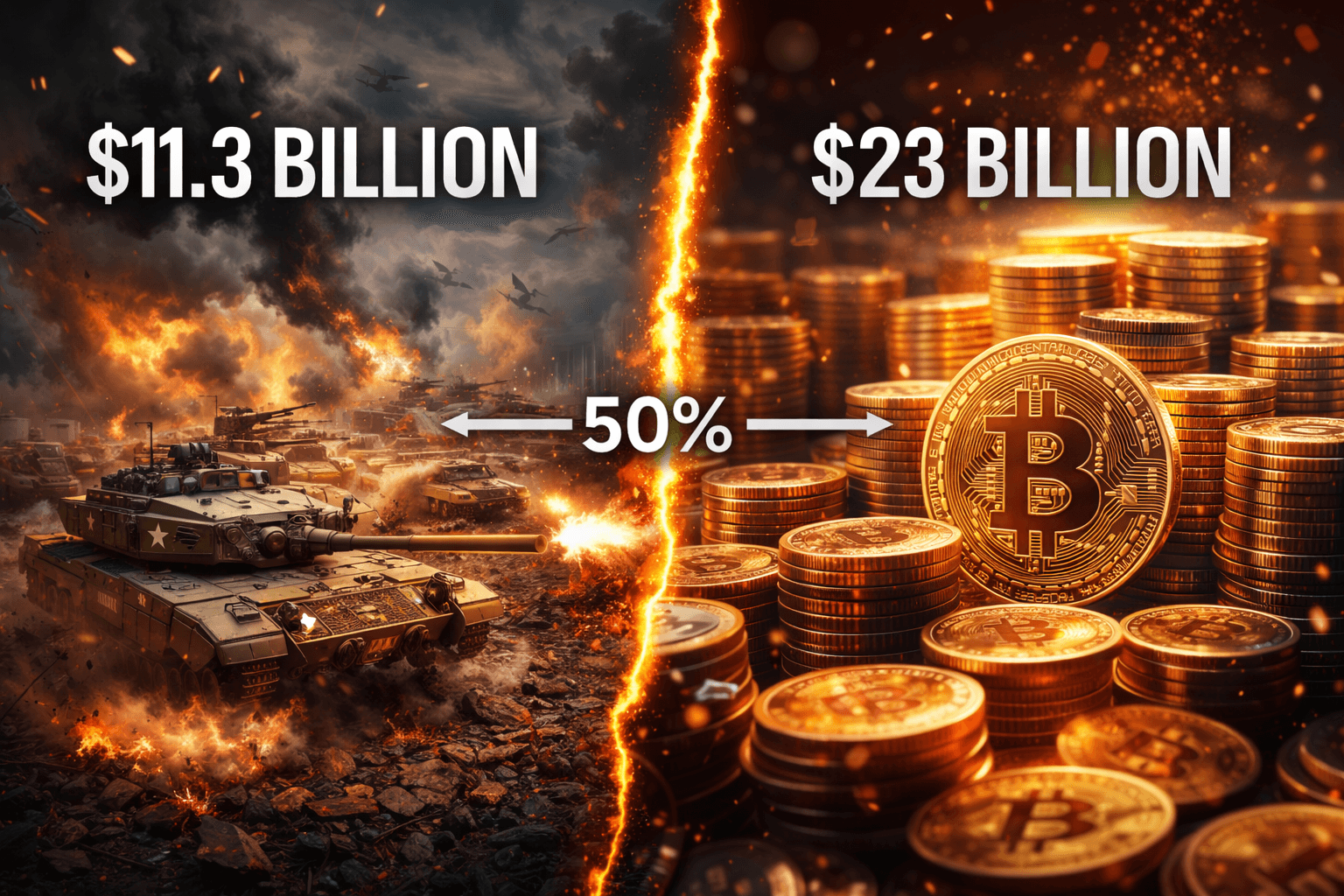
Back in early 2025, memecoins on Solana were booming. In January, trading volumes hit a staggering $169.5 billion. But that hype didn’t last. By November, volumes had dropped to just $13.9 billion a massive 90% drop. This decline wasn’t because of a crash or scandal. It happened quietly. Slowly, traders moved their capital elsewhere. That “elsewhere” turned out to be prediction markets.
At the same time memecoins lost steam, prediction platforms like Polymarket and Kalshi started to explode in popularity. In July, their combined volume was around $1.8 billion. By November, that figure had grown to nearly $8 billion. Prediction markets went from being a small corner of crypto to commanding over half of the volume once dominated by memecoins.
So, what changed?
Let’s start with the difference in how these two markets operate. Memecoins are built on hype. Their value isn’t tied to real-world use or technology. Instead, it’s driven by buzz on social media, from influencers, and among online communities. It’s like a slot machine: fast, flashy, and risky. People jump in hoping to “get rich quick,” but often get burned just as quickly.
Prediction markets, on the other hand, are grounded in information. They let people place bets on the outcome of real events. Will a certain candidate win the U.S. election? Will inflation rise next quarter? Will Bitcoin hit $100,000 by year-end? Traders can buy “yes” or “no” shares on these outcomes. If they’re right, they earn a payout.
This kind of trading feels more like strategy than pure luck. You win not by chasing memes but by being informed, spotting trends, and reading the world better than the crowd. And that seems to be what many crypto traders are now looking for especially after tiring of the wild swings and rug pulls that come with memecoins.
Solana is at the heart of this shift. Known for its fast, cheap transactions, Solana made it easy for users to trade memecoins in the first place. Now, that same speed and efficiency are powering a new kind of market one focused on knowledge, not just hype.
Another reason for the switch is that prediction markets offer a new kind of “edge.” With memecoins, success often came down to being first first to buy in, first to hype it, and first to sell before the price crashed. But in prediction markets, the edge comes from insight. If you understand global politics, economics, or even niche sports better than others, you can make smarter bets and earn consistent returns.



-640x427.png&w=3840&q=75)