What This Means for the Future of Digital Assets
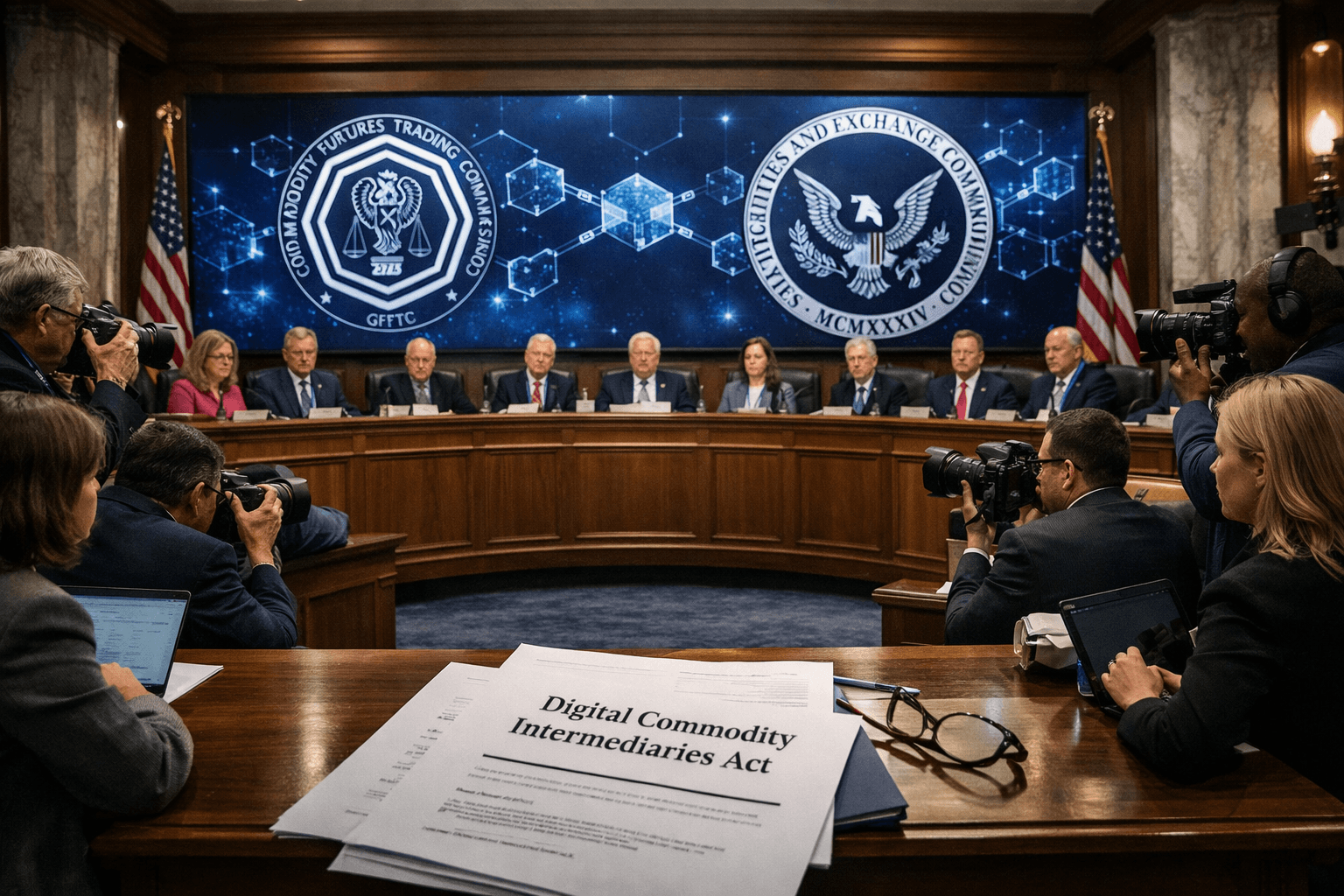
On January 29, 2026, the U.S. Senate Agriculture Committee voted to advance a landmark cryptocurrency regulation bill designed to establish clear federal authority for regulating digital assets in the United States. The legislation, known as the Digital Commodity Intermediaries Act, would grant the Commodity Futures Trading Commission (CFTC) primary regulatory oversight over digital commodities and their markets, a major step in clarifying rules that have long been ambiguous for the crypto industry.
This advancement marks the first time in U.S. history that a comprehensive crypto market structure bill has cleared a Senate committee, highlighting a potential turning point in how digital assets are governed at the federal level. However, while the vote was a historic moment, the path ahead is far from smooth.
A Shift From Uncertainty to Defined Oversight
Digital asset markets have grown rapidly in recent years, but U.S. regulators have struggled to keep pace. Already in 2025, the GENIUS Act was enacted into law to regulate stablecoins by requiring them to be backed one for one by reliable assets and providing transparency and audit standards laying early groundwork for crypto oversight.
Despite that progress, market participants and lawmakers have repeatedly pointed to a lack of clarity around regulatory jurisdiction particularly about which federal agency oversees which type of digital asset. Traditional financial instruments such as securities are regulated by the Securities and Exchange Commission (SEC), while the CFTC was established in 1974 to regulate futures, swaps and other derivatives. Yet until now, there has been no clear statutory authority designating how digital assets should be treated.
The Digital Commodity Intermediaries Act now offers a framework to finally resolve this ambiguity. Under the bill, the CFTC would have clear regulatory authority over digital commodities, including cryptocurrencies like Bitcoin and other decentralized tokens that fall outside traditional securities definitions.
What Happened in Committee
The Agriculture Committee marked up the bill on a 12–11 party line vote, with all Republican members voting in favor and Democrats opposing the measure. This outcome underscores the political divisions surrounding how best to regulate digital asset markets.
The committee report reflects a mix of compromise and contention. Chairman John Boozman (R-Arkansas) emphasized that advancing the bill is a critical step toward protecting consumers and fostering innovation. He highlighted provisions that would introduce clear legal definitions for digital commodities, establish registration requirements for intermediaries, strengthen consumer protections and facilitate coordination between the CFTC and SEC.


-640x427.png&w=3840&q=75)