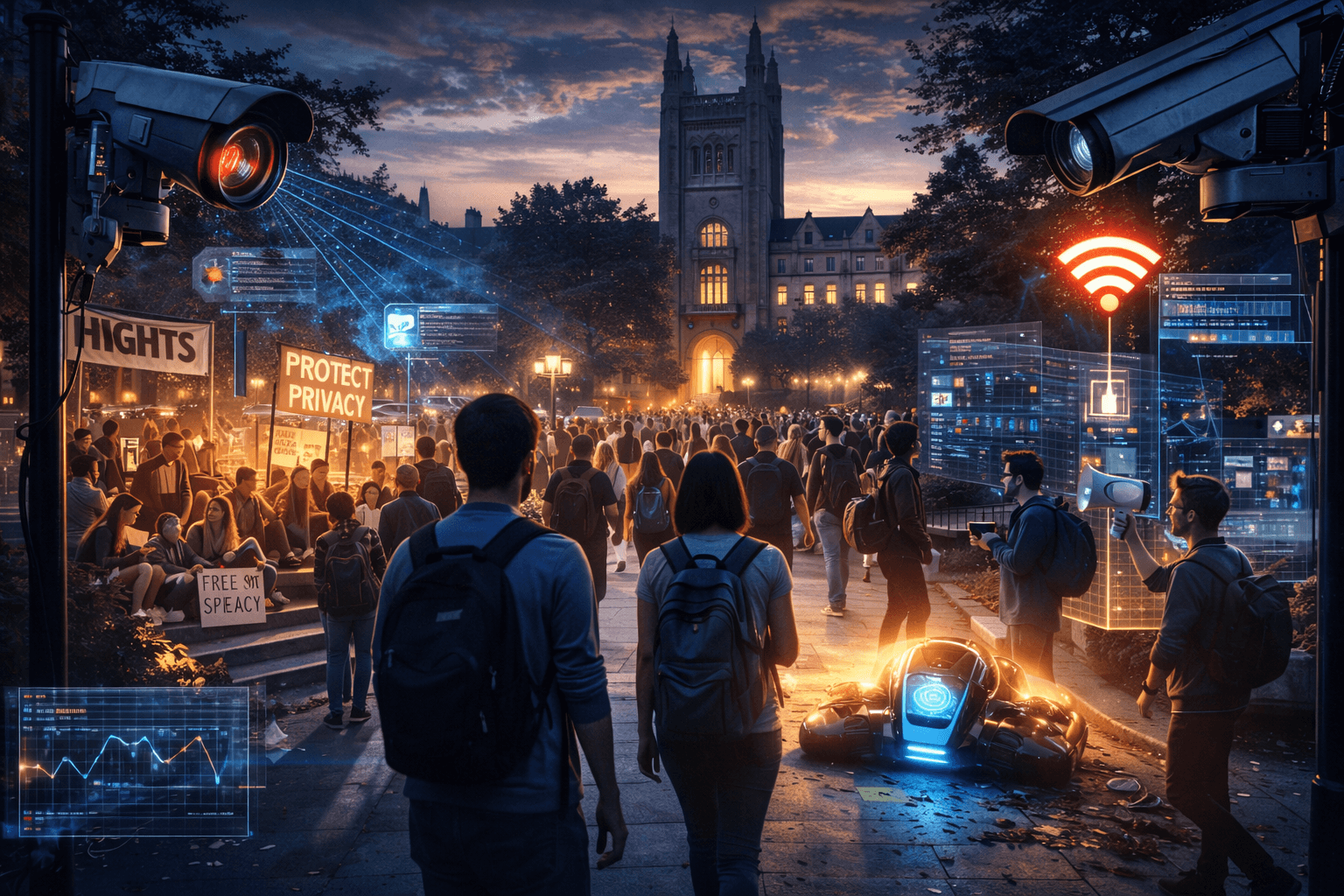
How Censorship, National Tech Policy, and the Decentralization Gap Collide
What the CryptoSlate & Barron’s Reports Reveal
In early February 2026, Russia sharply escalated its internet and messaging censorship, moving to fully block WhatsApp and severely restrict Telegram two of the world’s most popular messaging platforms. This shift has shaken internet users inside Russia and reignited global debates about digital sovereignty, censorship, encryption, and the limitations of decentralized technology. This article explores the facts around the ban, the Kremlin’s motivations, the reactions from tech platforms, and the broader implications for freedom of communication and decentralized alternatives.
Why Russia Blocked WhatsApp and Restricted Telegram
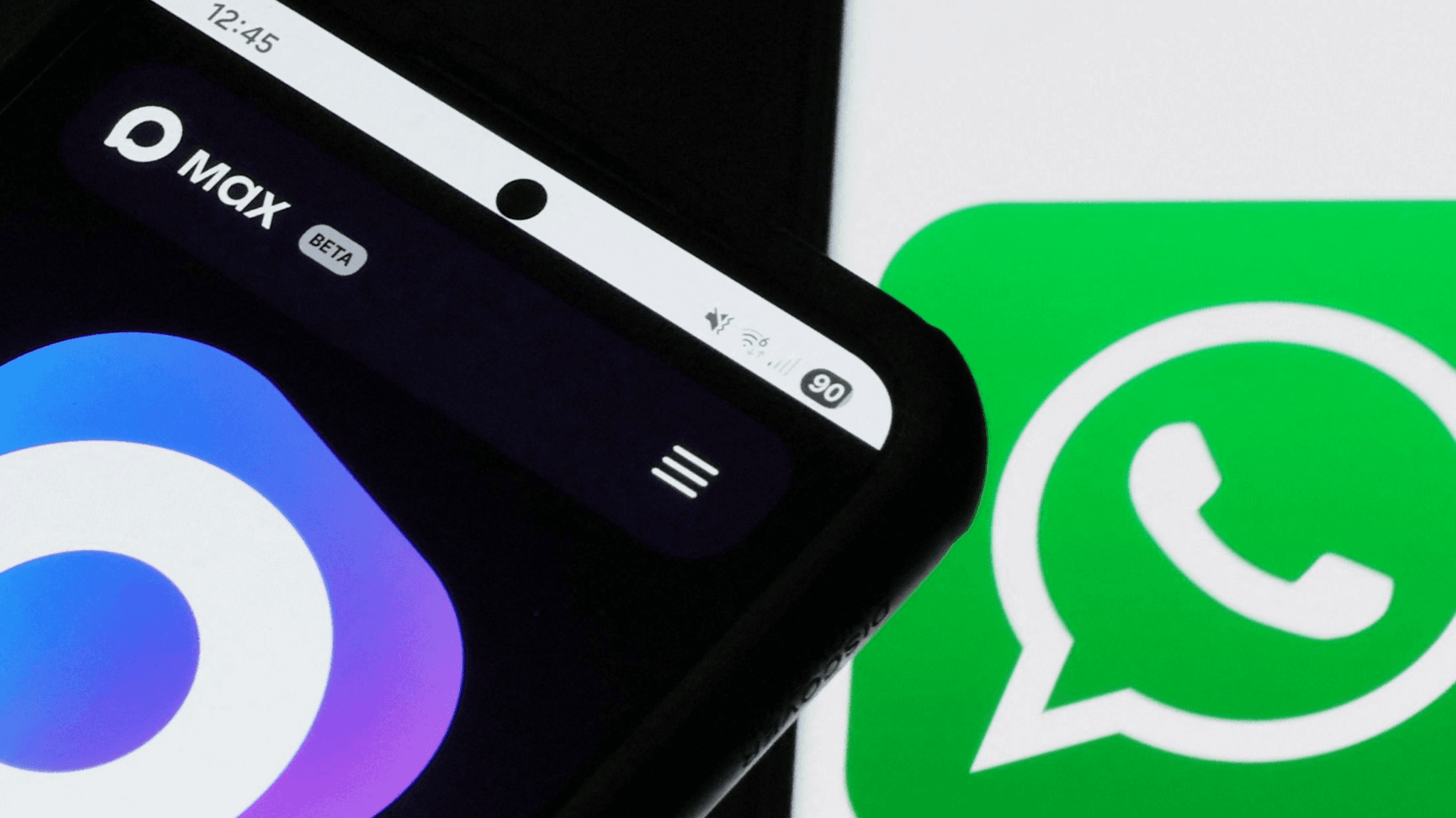
In February 2026, Russia’s communications regulator, Roskomnadzor, removed WhatsApp from its national internet directory and effectively cut off access to the service for users within the country unless they use VPNs or other circumvention tools. The Kremlin cited WhatsApp’s alleged failure to comply with local legislation, including requirements to store data on Russian servers and cooperate with security services. WhatsApp is owned by Meta Platforms and reportedly had around 100 million users in Russia before the block.
The Russian government simultaneously imposed throttling measures on Telegram, a messaging app founded by Russian-born entrepreneur Pavel Durov and widely used both by civilian populations and, reportedly, by military personnel. Roskomnadzor claimed this restriction was due to non-compliance with legal obligations, though critics see it as part of a broader effort to eliminate independent communication platforms.
The State “Sovereign Internet” and the Rise of Max
Moscow’s censorship strategy fits into its longstanding push for a “sovereign internet” a controlled digital ecosystem where foreign platforms must conform strictly to Russian rules or be blocked. This concept has been under development since Russia first began restricting Western social media platforms after the 2022 invasion of Ukraine, banning or limiting access to services like Facebook, Instagram, Twitter, and YouTube over the past few years.
To replace blocked foreign services, Russia is promoting its state-backed messaging app called Max, a super-app modeled after China’s WeChat. Max reportedly must be pre-installed on all new smartphones sold in Russia and is heavily marketed by state media. Critics and digital rights advocates argue that Max is designed for government oversight and surveillance, lacking robust end-to-end encryption and requiring extensive user permissions that could expose chats, contacts, and metadata to authorities.



-1-640x427.png&w=3840&q=75)
-300x200.png&w=3840&q=75)
-1-300x200.png&w=3840&q=75)