How Wall Street’s Entry Is Redefining Bitcoin’s Market Structure
In 2025, a striking shift quietly unfolded in the Bitcoin ecosystem: the foundational infrastructure or “plumbing” that supports Bitcoin trading and price discovery is increasingly owned and operated by major traditional banks rather than solely by crypto-native firms. Institutions like BNY Mellon, JPMorgan, Citi, and others have moved from pilot programs into live digital asset services, bringing their vast balance sheets, custody networks, and client relationships into the heart of Bitcoin markets.
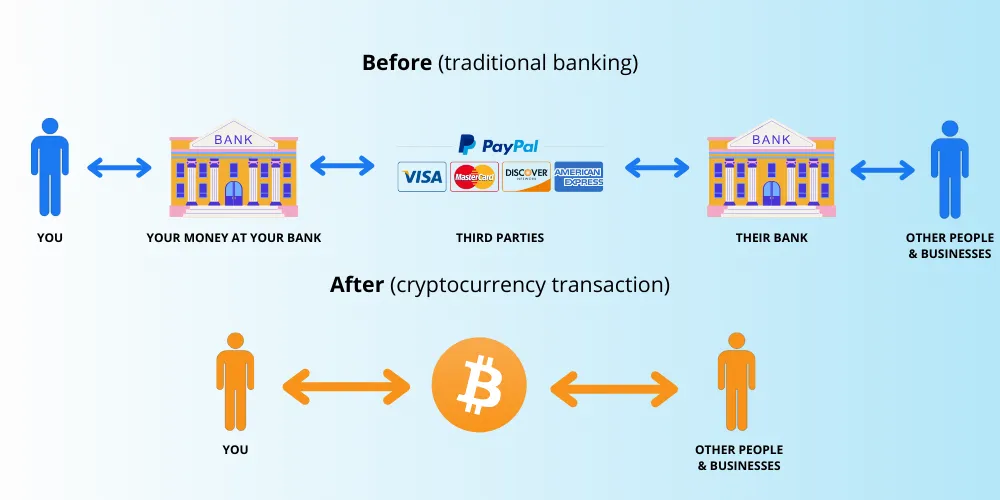
This transition represents more than just another wave of institutional adoption. It fundamentally changes who controls the mechanisms that determine Bitcoin’s liquidity, price formation, and market resilience. Historically, Bitcoin’s market plumbing including custody, execution, settlement, and price feeds was anchored by crypto-native players: exchanges like Coinbase, Binance, Kraken, and independent custodians. But as major banks have layered tokenized products and digital asset services onto their traditional infrastructures, they now occupy central nodes in the Bitcoin ecosystem that go far beyond passive endorsement.
A central part of this transformation has been the move from pilot programs to live, revenue-generating services. BNY Mellon, State Street, JPMorgan, and Citi have all expanded digital asset offerings, often partnering with existing custodial and infrastructure providers or building their own tokenized products. For example, JPMorgan launched MONY, a tokenized money market fund that lives on public blockchain rails, and is exploring dedicated institutional crypto trading services. Meanwhile, Goldman Sachs and BNY Mellon teamed up to issue tokenized representations of traditional money market funds on public networks, integrating stable, regulated assets with decentralized market mechanics.
These developments mean that banks are no longer passive participants in the crypto space they help run its critical infrastructure. They provide custody for large flows of institutional Bitcoin, facilitate tokenized asset issuance, and integrate crypto into broader financial products under familiar regulatory frameworks. Their involvement has also meant that capital flows exceeding tens of billions of dollars have passed through banking channels that directly influence Bitcoin liquidity.
The consequences are multi-layered. On one hand, traditional banks bring regulatory experience, operational stability, and deep client networks that can help mature markets and attract risk-averse institutional capital that previously stayed on the sidelines. Products anchored by banks can feel more trustworthy to pension funds, insurers, and corporate treasuries because they sit within familiar legal and compliance frameworks, even as they tap blockchain settlement rails.


-640x427.png&w=3840&q=75)
-640x427.png&w=3840&q=75)