Separating verified facts from opinion and controversy in a debate that shapes public trust
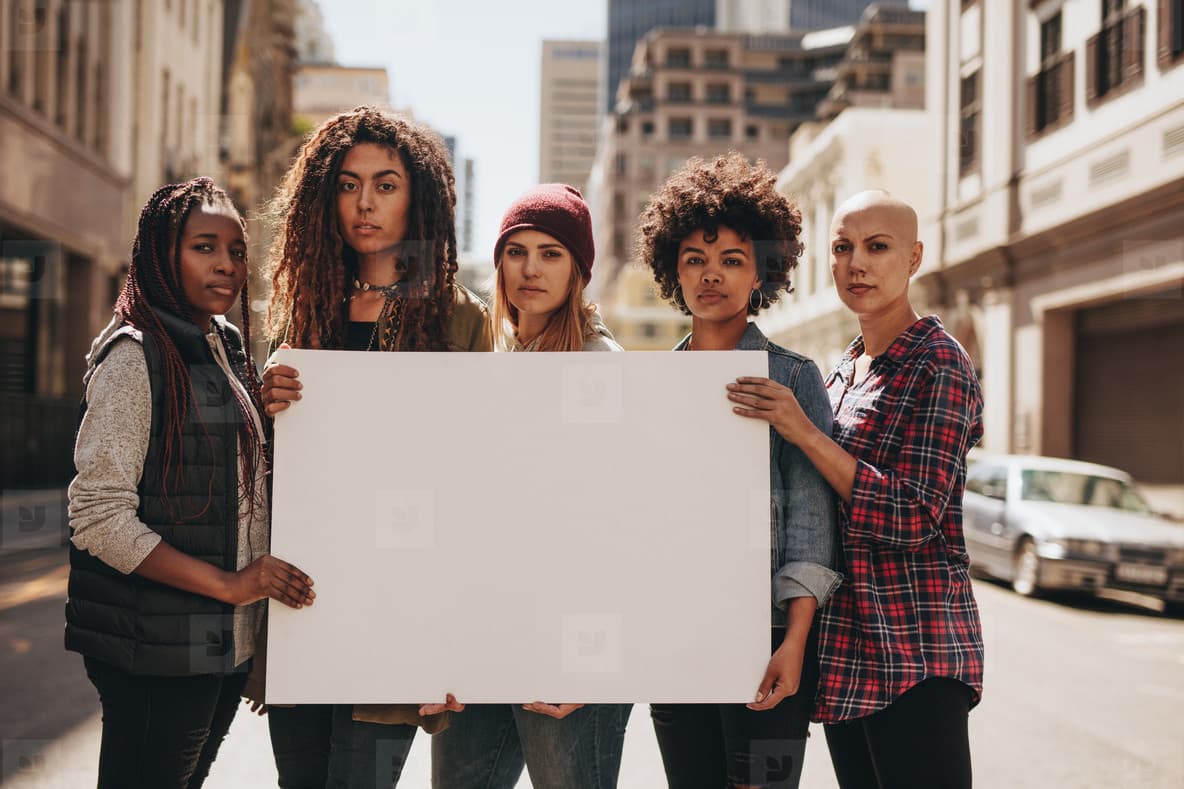
Public protests are a visible and emotional part of democratic life in the United States. They exist to pressure leaders, build solidarity, and signal that an issue matters deeply to the people affected by it. When large crowds gather, especially around polarizing topics, a familiar accusation often appears almost immediately. Someone claims the protesters are being paid. Over time one name has become central to that claim: George Soros. To understand why this narrative persists, it is essential to slow down and examine how activism is actually funded, where manipulation can occur, and where rumor replaces evidence.
The first and most important fact remains clear. George Soros does not personally pay people to show up at protests. There is no verified evidence that he hands out money to individuals to attend demonstrations, chant slogans, or hold signs. What does exist instead is a large and complex funding ecosystem around activism, one that is often misunderstood and sometimes deliberately misrepresented.
George Soros supports political and social causes through charitable foundations and nonprofit organizations. These organizations work on issues such as civil rights, voting access, criminal justice reform, journalism, and democratic institutions. Funding flows through grants to organizations, not to individual protesters. This distinction is critical, yet it is often lost in public debate.
Those organizations may employ staff. Organizing is labor, and labor is often paid. Staff roles can include community organizers, legal experts, researchers, communications professionals, and administrators. These staff members help plan events, secure permits, arrange transportation, coordinate safety, and communicate messages. This is where confusion frequently begins. Paid organizers are often mislabeled as paid protesters, even though their role is to build structure and coordination rather than to pretend to hold beliefs for money.
Participation in protests supported by these organizations is typically voluntary. People attend because they agree with the cause, feel personally affected, or want their voices heard. Being supported by an organization does not automatically mean a protest is fake or manufactured. Throughout American history, movements for labor rights, civil rights, women rights, and environmental protection relied on both organized funding and volunteer participation. Organization and authenticity have always existed side by side.



-1-640x427.png&w=3840&q=75)
-300x200.png&w=3840&q=75)

-300x200.png&w=3840&q=75)