Why DeFi Exploits and Financial Design Flaws Are Now Far More Costly Than Traditional Hacks
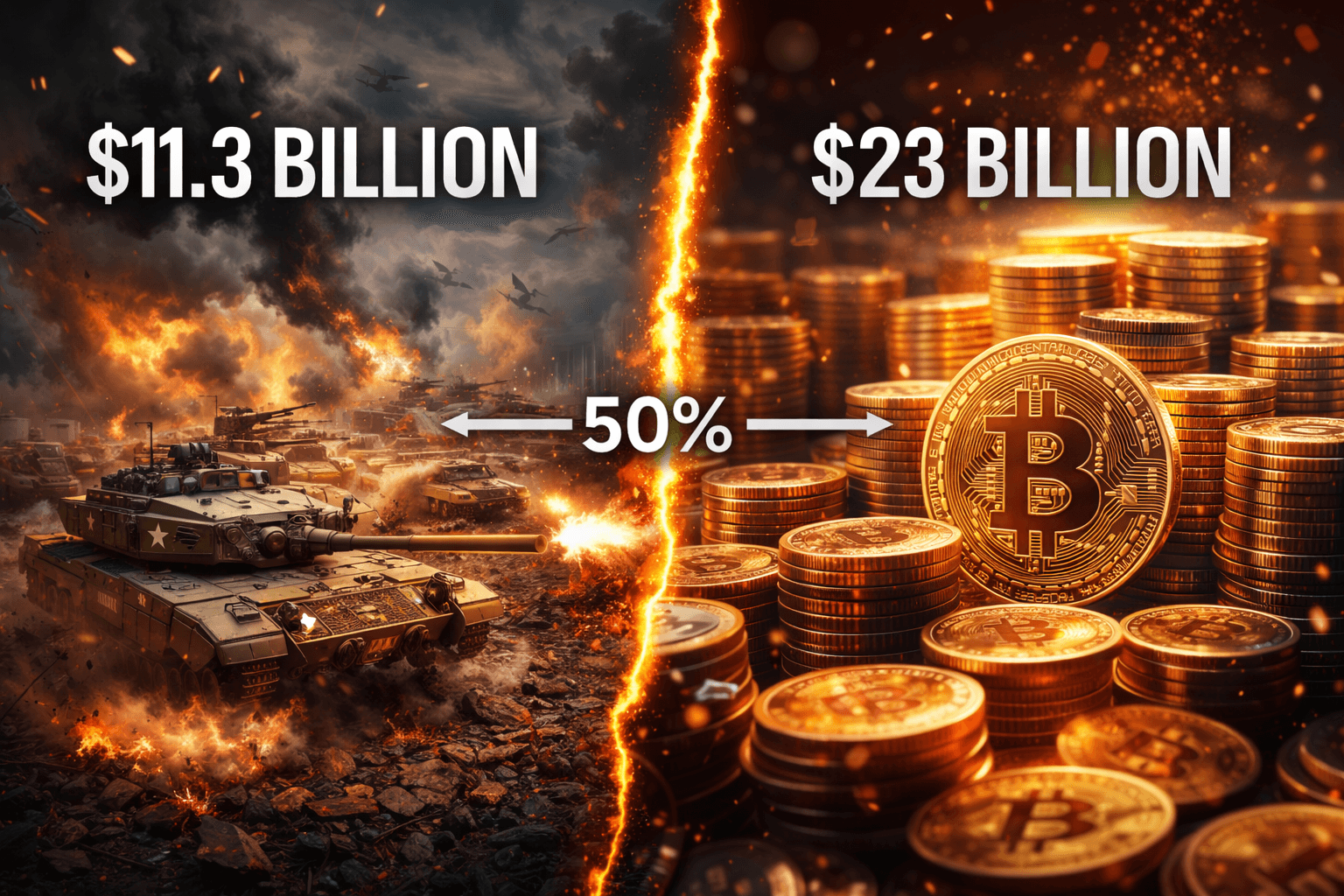
In 2025, the number of announced cryptocurrency hacks where attackers steal funds directly from wallets, exchanges, or smart contracts fell by roughly 50 percent compared to prior years, a development that initially looked like a major victory for security teams and protocols worldwide. According to blockchain security data, fewer headline-grabbing breaches were reported, and total direct losses from classic hacks decreased sharply. However, a deeper look at the figures reveals a more insidious financial threat emerging in the crypto ecosystem one that isn’t measured in raw theft from breaches, but in poorly designed financial primitives, fragile tokenomics, and systemic vulnerabilities in DeFi protocols that led to far greater economic damage.
On the surface, crypto’s decreasing hack rate reflects improved technical defenses: teams invested in formal audits, bug bounty programs grew more robust, and security tooling became more advanced. Protocols that suffered repeated exploits in earlier cycles bolstered protections, and many projects prioritized secure design over rapid growth. This evolution is a positive trend, reflecting lessons learned from the explosive hack activity of previous years.
Yet the headline reduction in crude hacks masks a deeper shift in the risk landscape. While fewer attackers succeeded in forcibly withdrawing funds via exploits or vulnerability abuse, economic exploits where attackers manipulate financial mechanisms, oracle pricing, or protocol assumptions became far more costly. These types of abuses don’t always look like traditional hacks; instead, they involve market manipulation, unsound incentive structures, or flawed protocol logic that can drain liquidity and damage confidence without an obvious security breach.
One example that emerged in 2025 involved a decentralized finance (DeFi) protocol whose price oracle design made it vulnerable to economic manipulation. Instead of technical vulnerabilities in code that allowed unauthorized access, attackers exploited the way external price feeds were integrated, causing cascading liquidations, liquidity withdraws, and investor losses far exceeding typical hack sums. These events weren’t always classified as “hacks” in reporting because no unauthorized code execution occurred but the financial damage was enormous, dwarfing many direct-theft incidents.
Another dimension of this new threat involves fragile tokenomics and incentive models that promote instability. Some protocols structured reward systems that looked sustainable under ideal conditions but amplified risk under stress, encouraging speculative flows that eventually reversed violently. In these cases, no one “broke in” instead, the system broke itself, with users losing value as incentives unwound or collapsed.



-640x427.png&w=3840&q=75)
-3-640x427.png&w=3840&q=75)