How builders language and collaboration are shaping the future of intelligence
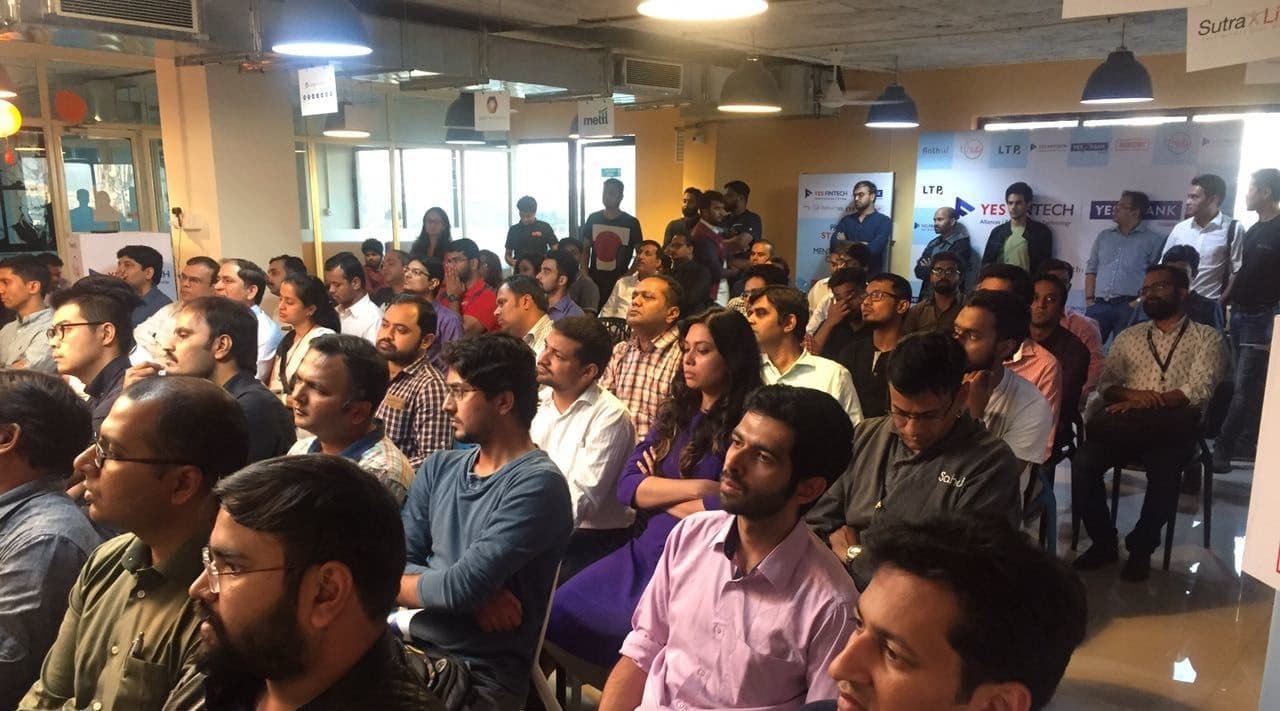
India is quietly but powerfully shaping one of the most important movements in modern technology which is community driven artificial intelligence. Unlike earlier technology waves that were led mainly by large corporations or elite institutions, the current AI surge in India is being built from the ground up by people gathering in shared spaces both online and offline. Developers students founders researchers and self taught builders are forming living networks where learning building and collaboration happen at the same time. This community first approach is changing how AI is understood how it is built and who it is built for.
At the heart of this movement is a strong shift away from passive learning and toward hands on creation. Indian AI communities are no longer satisfied with presentations or surface level experimentation. Instead the focus is now on building working systems that solve real problems. Builders are creating intelligent assistants workflow automation tools language translators and voice driven interfaces that can be tested used and improved in real environments. The culture values speed iteration and usefulness rather than perfection. What matters most is whether something works and whether people can learn from it together.
One of the most distinctive aspects of community AI in India is its strong alignment with real world needs. Many communities are shaped by the realities of scale diversity and access. India has hundreds of millions of digital users across many languages cultures and levels of literacy. As a result community builders naturally gravitate toward solutions that work for multilingual voice based and mobile first environments. This makes Indian AI communities uniquely practical. Projects often focus on speech recognition translation customer support automation and tools that help people access services more easily. These are not abstract experiments but responses to everyday challenges faced by businesses governments and individuals.
Another defining feature is the embrace of open collaboration. Indian AI communities strongly favor sharing knowledge code and learning resources openly. This openness is not driven only by ideology but by practicality. Open collaboration helps people build credibility gain skills and improve employability. Many community projects are developed in public spaces where feedback is immediate and learning is collective. Shared repositories shared datasets and shared evaluation methods are becoming community assets that anyone can contribute to and benefit from. This creates a sense of ownership and belonging that strengthens the ecosystem over time.


-1-640x427.png&w=3840&q=75)
-1-300x200.png&w=3840&q=75)
-300x200.png&w=3840&q=75)
-300x200.png&w=3840&q=75)