There is a moment in every new technology wave where things start to get messy. Not broken, not failing, but messy in a way that reveals where the real boundaries are. Artificial intelligence has just hit one of those moments.
The recent situation involving Anthropic, its Claude model, and the creator behind OpenClaw is not just a small developer dispute. It is a glimpse into the future of AI, where control, access, business models, and power all start colliding at once. What looks like a simple ban is actually something much deeper. It is about who controls AI, how it can be used, and where the line gets drawn when independent builders start pushing systems beyond what their creators intended.
At the centre of this story is OpenClaw, an experimental AI agent project that captured attention for its ability to turn AI into something far more active than a chatbot. Instead of just answering questions, it could take actions, connect tools, and operate more like a digital assistant with autonomy. That idea alone is powerful. But it also raises a problem. When AI moves from passive to active, the risks change completely.
Anthropic stepped in and temporarily banned the creator’s access to Claude, citing violations tied to how the system was being used. This was not just about breaking a rule. It was about how Claude was being routed through third party tools in a way that bypassed intended usage models and potentially undermined both safety controls and commercial structure.
That decision has sparked debate across the AI community. And rightly so.
The Rise of Agent Style AI
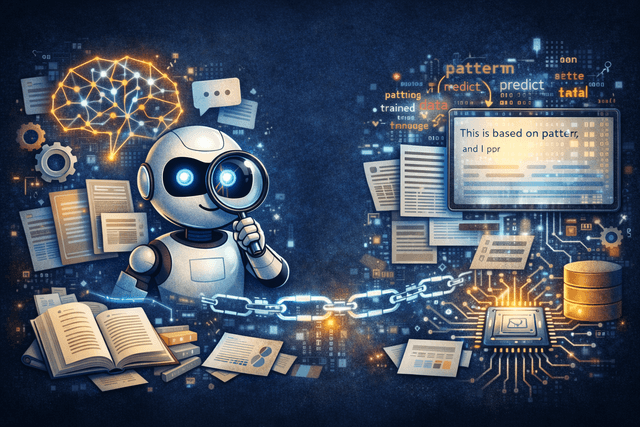
To understand why this situation matters, you need to understand what OpenClaw represents.Traditional AI tools are reactive. You ask a question, they respond. That model is familiar, controlled, and relatively easy to monitor. But the next phase of AI is different. It is about agents.Agent style AI systems are designed to do things, not just say things. They can plan tasks, connect to external tools, execute workflows, and operate over time without constant human input. Projects like OpenClaw are early glimpses of that future, where AI becomes a kind of digital operator rather than just a conversational interface.That shift is massive. It moves AI from being a tool into something closer to a system. And systems are harder to control.Developers have been experimenting heavily in this space, often combining existing models with custom interfaces, automation layers, and external integrations. In many cases, these projects rely on existing AI subscriptions or API access, bending them into new forms that were not always anticipated by the companies providing the models.That is exactly where friction starts.


.png&w=3840&q=75)
-1-640x427.png&w=3840&q=75)
-1-300x200.png&w=3840&q=75)
-1-300x200.png&w=3840&q=75)
-300x200.png&w=3840&q=75)
-300x200.png&w=3840&q=75)
-300x200.png&w=3840&q=75)
-300x200.png&w=3840&q=75)
-1-300x200.png&w=3840&q=75)
-1-300x200.png&w=3840&q=75)