From Greenland disputes to crypto markets the future of value storage is in flux
Global markets are breathing uncertainty as tensions around Greenland between the United States and the European Union raise questions not only about geopolitics but also about the financial instruments that have long underpinned the world economy. At the heart of the latest debate is the possibility that Europe could reconsider its enormous holdings of U.S. Treasurys if political pressure from Washington escalates. Though such an extreme scenario is debated among policymakers and analysts it highlights a larger truth: trust in the dollar’s stability and in the financial order that has existed since World War II may be weakening and investors are paying attention. This article explores why these discussions matter and how Bitcoin is emerging in the background as part of a broader conversation about financial resilience and diversification.
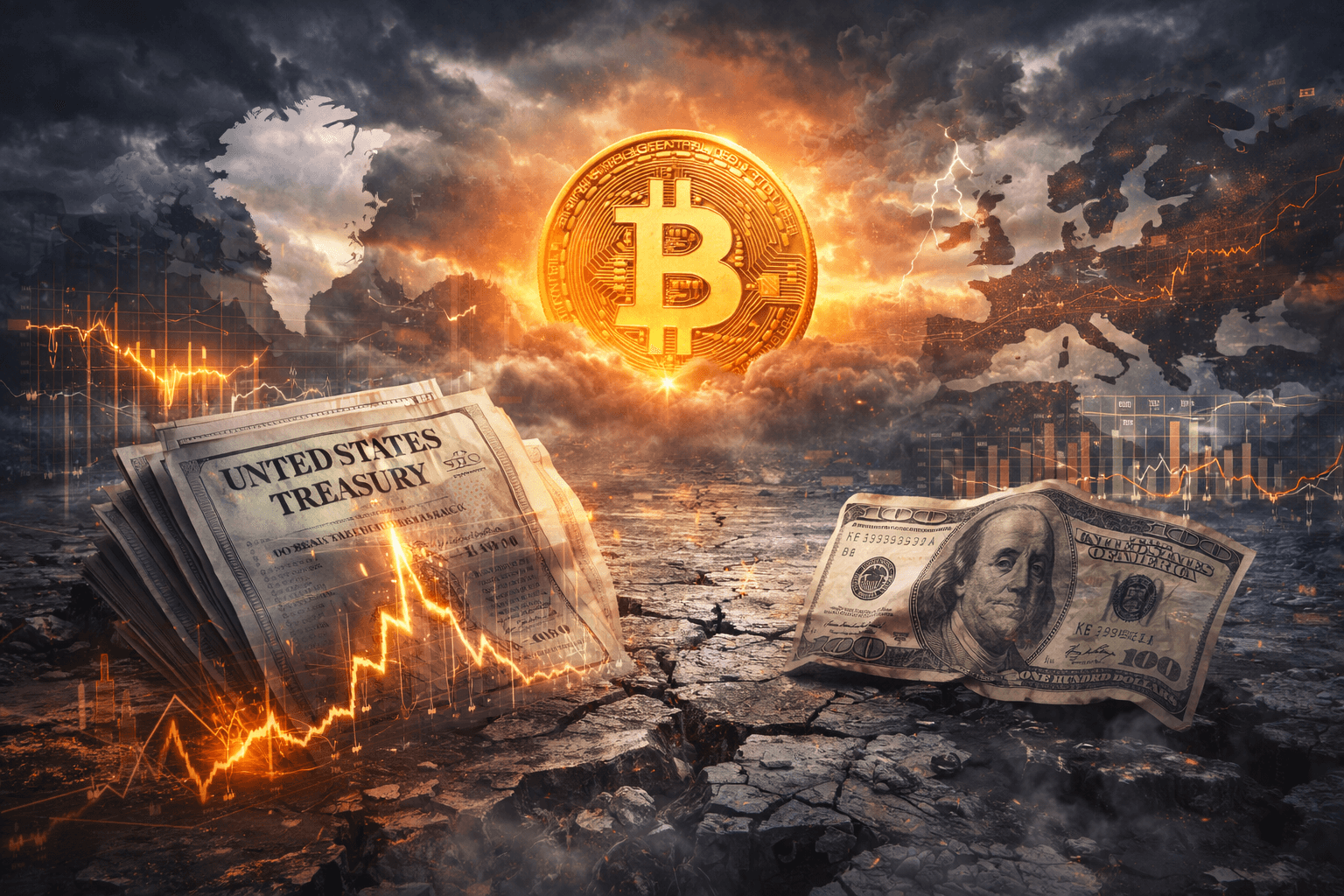
For decades U.S. Treasurys have been considered among the safest assets on the planet. Countries and institutions around the world hold them as reserves because of the United States’ deep financial markets and the dollar’s role as the primary global currency. At the end of November 2025 foreign investors held over 9 trillion dollars in U.S. government debt a sum large enough that even partial portfolio moves can affect yields and markets broadly. Yet recent events have shown how political tensions can put this perception under stress. According to recent reporting some analysts have suggested that European leaders could use their significant holdings of Treasurys as leverage in disputes with Washington over Greenland a massive territory in the Arctic. This has sparked market speculation that shifts in these investments could ripple through global capital markets.
It is important to note that policymakers and officials have pushed back against the idea that Europe would dump U.S. assets aggressively. The U.S. Treasury Secretary has dismissed these scenarios as implausible pointing out that aggressive sell offs of U.S. debt would ultimately harm European investors too. He has described such narratives as lacking logic and strongly denied that European governments are planning coordinated Treasurys sell offs in response to disputes. Nonetheless the discussion itself highlights how geopolitical tensions can quickly weave into financial markets and affect perceptions of the dollar’s invincibility.
The tension stems in part from a growing rift between certain European nations and the U.S. over geopolitical decisions such as the American push to acquire Greenland. That move elicited strong reactions from European leaders who called any coercive measures unacceptable and have discussed responses including negotiating trade measures and other economic actions. In this environment markets began to price in political risk and potential capital reallocation which in turn affected stocks bonds and currencies. The U.S. dollar has weakened against major peers and U.S. yields rose as investors reacted to the possibility of reduced foreign demand for Treasury’s and a shift in global risk appetites.


-640x427.png&w=3840&q=75)
-3-640x427.png&w=3840&q=75)
-300x200.png&w=3840&q=75)
-300x200.png&w=3840&q=75)

-300x200.png&w=3840&q=75)