How Real World Assets Are Powering Blockchain’s Next Growth Wave
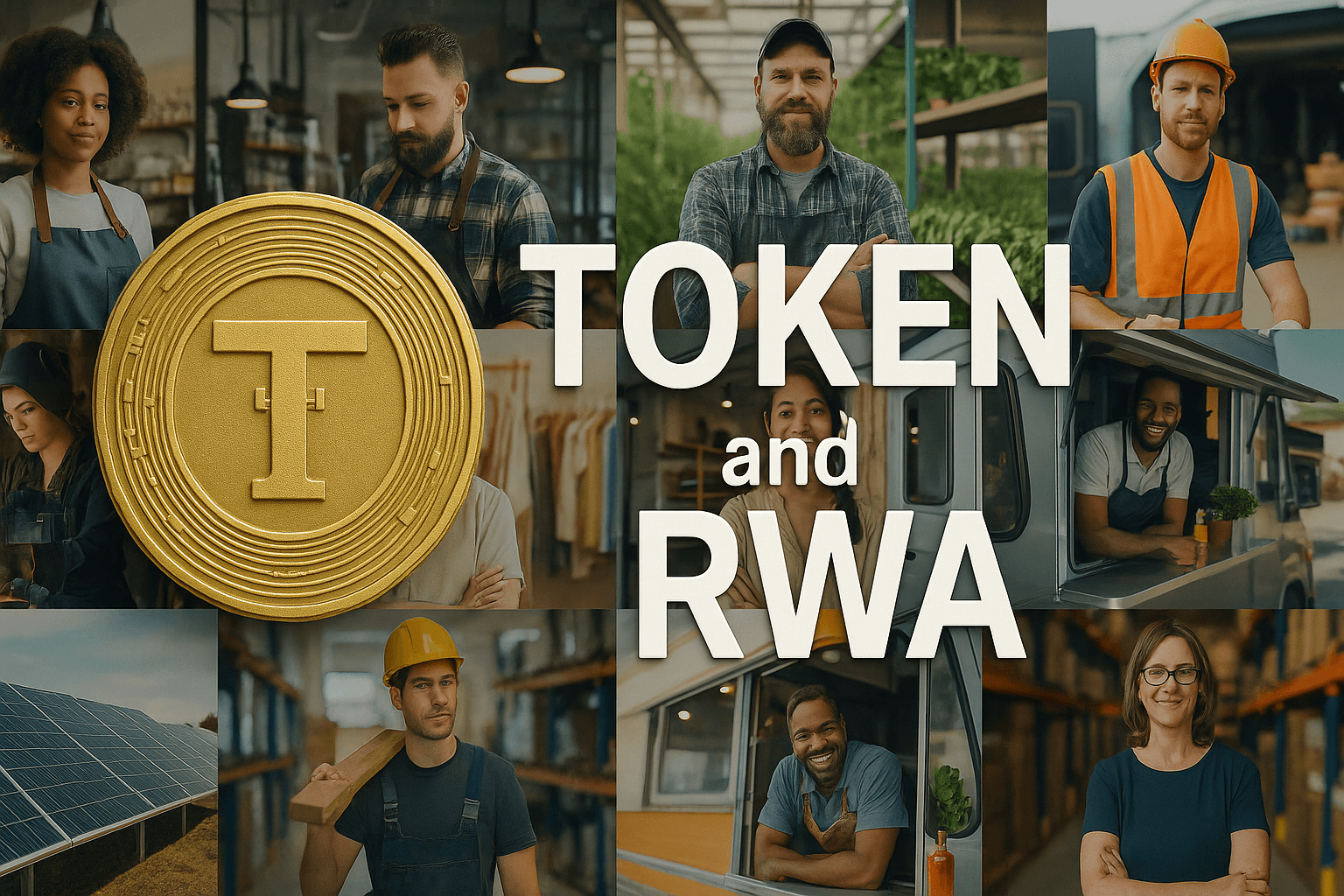
Real World Assets Rise as new Structures Bridge the Physical and Digital Economies Introduction A New Phase of Blockchain Expansion, The crypto world has transitioned into the new era that occurs when value is no longer confined to speculative tokens. Tangible assets (real-estate, commodities, bonds or art), known as Real World Asset (“RWA”) have been tokenized in blockchain networks that act as bridges between the physical and virtual worlds. It is changing what we think of as ownership, liquidity and investment. As of 2025, RWA’s total market cap has already broken the $60 billion barrier, and experts think we may be at the dawn of a trillion dollar revolution. By tokenizing real world assets, investors are able to participate in typically illiquid markets on a fractional and global scale. Leveraging the transparency and automation of blockchain and smart contracts, RWAs represent a new paradigm for financial inclusion and efficiency. But, like all great revolutions, it can be a catalyst for positive change and presents important challenges. What Is a Real World Asset (RWA)?
RWAs are real or tangible assets supported by a digital representation on a blockchain. That is, an asset such as a gold bar, a deed of property or a government bond can be “tokenized” into a digital token that represents ownership rights in or shares of ownership of the real-world assets. For example, instead of a single investor purchasing a $10 million commercial property, thousands of people from anywhere in the world can own chunks of that building and every slice would be represented by a blockchain token. These tokens can now be exchanged, transferred, or staked spawning a whole new market of hitherto illiquid assets.
Teams like Ondo Finance, Centrifuge and Maple Finance are all making this happen on the RWA front. They allow institutions and individuals to earn yield on tokenized U.S. T-bills or extend financing to small businesses through credit pools secured by the blockchain. The traditional financial world (TradFi) and decentralized finance (DeFi) spaces are increasingly converging as more old school institutions play around with integrating RWA. The Advantages of RWA Tokenization
The phenomenon of RWAs has several compelling upsides that are not limited to basement-dwelling crypto speculation. First and foremost is liquidity. Assets like real estate or private debt can typically take weeks or months to unload. Tokenization splits them into smaller token structures that can be traded instantly on blockchain platforms. It makes it possible for investors to get in and out of positions without waiting a long time or absorbing heavy transaction costs. Another key advantage is accessibility. In the old world of finance, you need a lot of money or contacts to invest in bonds, real estate funds and fine art. Tokenized assets means anyone with a crypto wallet can take part, even small fry investors democratizing access to what would naturally be a wealthy person’s investment-builder. Another big factor is transparency. Public blockchain ledgers store every transfer, which provides investors transparency on the ownership of assets and transaction history and auditability. This decreases the probability of fraud or error. Finally, efficiency improves dramatically. Smart contracts automate important processes like interest payments, rent collection or profit sharing without intermediaries (brokers or custodians, notary). The result is that times to transaction completion go down and fees drop, helping both issuers and investors. Challenges and threats to the RWA Ecosystem



-640x427.png&w=3840&q=75)
-300x200.png&w=3840&q=75)