How National Security Concerns, Political Conflict, and Crypto Regulation Collide in the Heart of DeFi Oversight
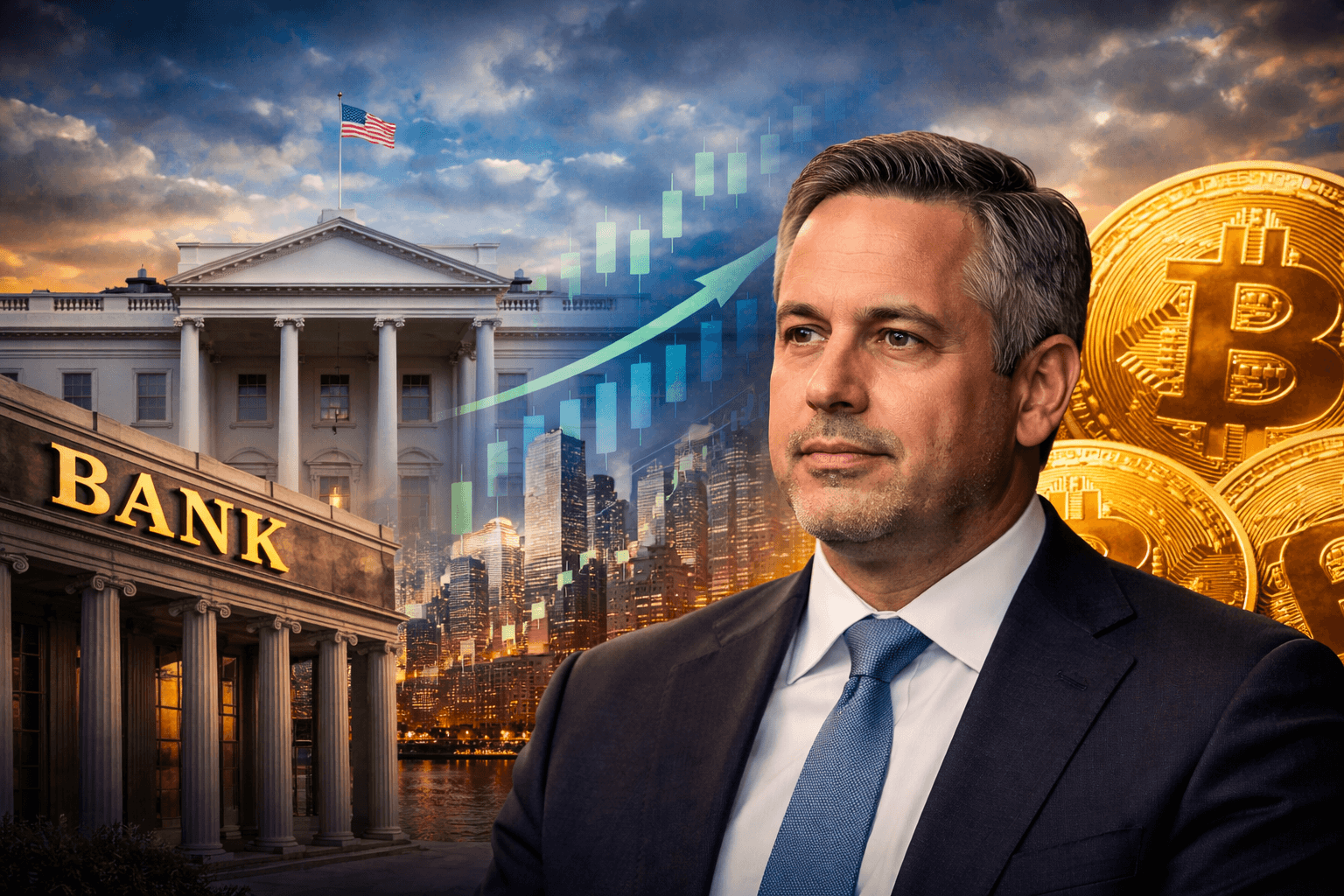
In December 2025, U.S. Senator Elizabeth Warren fired a political salvo at the decentralized finance world by targeting PancakeSwap, one of the largest decentralized exchanges (DEXs) in the crypto ecosystem, as part of a broader push to tighten regulatory scrutiny on DeFi platforms. Warren’s letter addressed to Treasury Secretary Scott Bessent and Attorney General Pamela Bondi framed PancakeSwap not just as a venue for unregulated trading, but as a potential national security risk that could enable illicit finance and expose regulatory blind spots at a moment when U.S. crypto policy remains unsettled.
Warren’s concerns are rooted in the fact that DEXs like PancakeSwap allow users to trade cryptocurrencies without traditional account requirements, Know Your Customer (KYC) checks, or centralized oversight, making them attractive not only to legitimate market participants but also to bad actors seeking anonymity and frictionless access. In her letter, Warren specifically questioned whether the U.S. Treasury and Department of Justice were investigating the possible use of PancakeSwap for laundering proceeds tied to cybercrime or sanctions-evading activity, and she requested detailed descriptions of any such probes effectively forcing regulators into a difficult public stance on DeFi oversight.
The political backdrop to this inquiry was already complex. Legislation aimed at creating a comprehensive crypto market structure framework had stalled in the Senate, leaving gaps in how decentralized exchanges and digital asset intermediaries are regulated. Warren’s move can be seen as a strategic attempt to nudge regulators and lawmakers by documenting risks and demanding accountability amid that legislative impasse. By demanding responses by January 12, 2026, she has injected urgency into a debate that has otherwise stagnated.
One of the more controversial components of Warren’s letter was its linkage of PancakeSwap to World Liberty Financial (WLFI) a decentralized finance project associated with the Trump family that has itself drawn scrutiny for alleged connections to illicit finance and conflicts of interest. Warren raised questions about how a trading venue that may concentrate liquidity for a Trump-linked token could intersect with national security risks, effectively combining classic financial oversight concerns with politically charged narratives about influence and regulatory enforcement.
Critics of Warren’s framing point out that decentralized exchanges are not single entities with a central authority to regulate or shut down. They consist of open-source smart contracts, liquidity pools, and front-end interfaces that can be mirrored, forked, or hosted in different jurisdictions. This structural reality makes enforcement complex because regulators cannot simply freeze a bank account or shutter a corporate entity as they can with traditional financial institutions. Nonetheless, Warren’s letter pressed the question of where responsibility lies and whether statutory authority suffices to police decentralized markets.



-640x427.png&w=3840&q=75)
-640x427.png&w=3840&q=75)
-300x200.png&w=3840&q=75)
-300x200.png&w=3840&q=75)