When geopolitical panic rattled global markets, traders didn’t rush into Bitcoin they rushed out of it.
When oil prices surged amid renewed geopolitical tensions, global markets reacted exactly the way they usually do during sudden shocks: investors ran for safety. Stocks dipped, commodities spiked, and traders scrambled to rebalance portfolios in real time.
But one asset that didn’t behave the way many crypto advocates once predicted was Bitcoin.
Instead of acting like a digital safe haven similar to gold, Bitcoin was sold off as traders reduced exposure to risk across the board. The reaction highlighted a pattern that has appeared repeatedly during major macro events: when global markets panic, Bitcoin often trades more like a technology stock than a financial refuge.
The oil shock that rattled markets
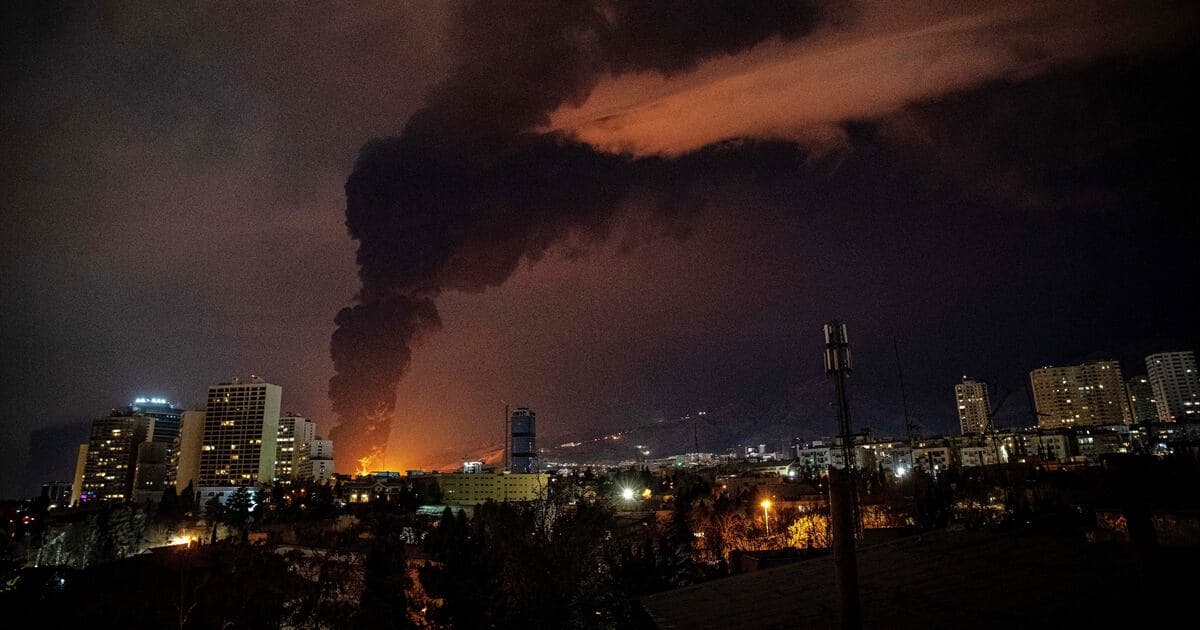
The volatility began after fresh instability in the Middle East pushed oil prices sharply higher. Energy markets reacted immediately, with traders pricing in potential disruptions to global supply and transportation routes.
Oil spikes tend to trigger broader financial ripples. Higher energy costs can drive inflation, threaten economic growth, and increase uncertainty for businesses and governments alike. When that uncertainty rises quickly, investors typically move money away from riskier assets.
That’s exactly what happened.
Equities slid, volatility increased, and traders began shifting capital toward traditional defensive positions such as U.S. Treasury bonds and gold.
Bitcoin, however, moved in the opposite direction of what some long-standing crypto narratives suggested.
Bitcoin trades like risk, not refuge
During the market reaction, Bitcoin dropped alongside other risk-sensitive assets instead of rising as a hedge.
That behavior has become familiar during periods of macro stress. Despite being promoted by some supporters as “digital gold,” Bitcoin often follows the broader risk cycle seen in equities and growth assets.
When liquidity is plentiful and investors are chasing returns, Bitcoin tends to rally strongly. But when fear spikes and investors move toward capital preservation, crypto markets frequently see heavy selling pressure.
This pattern has been visible during several major global events over the past decade, from pandemic-era market crashes to rapid interest-rate hikes and geopolitical shocks.
Why traders sell crypto during crises



-640x427.png&w=3840&q=75)
-300x200.png&w=3840&q=75)