How NFTs Are Evolving from Hype Assets into Tools with Real Utility and Broad Adoption
In late 2025 the NFT landscape looked very different from the frenzied era of 2021 and 2022 when pixel art and collector mania dominated headlines. After years of heavy speculation many NFT projects faded or lost value and trading volumes dropped to multi year lows. But a smaller group of developers and innovators kept building and refining real world use cases and by the time 2026 approached the market began shifting toward fundamental utility and practical adoption rather than pure speculation.
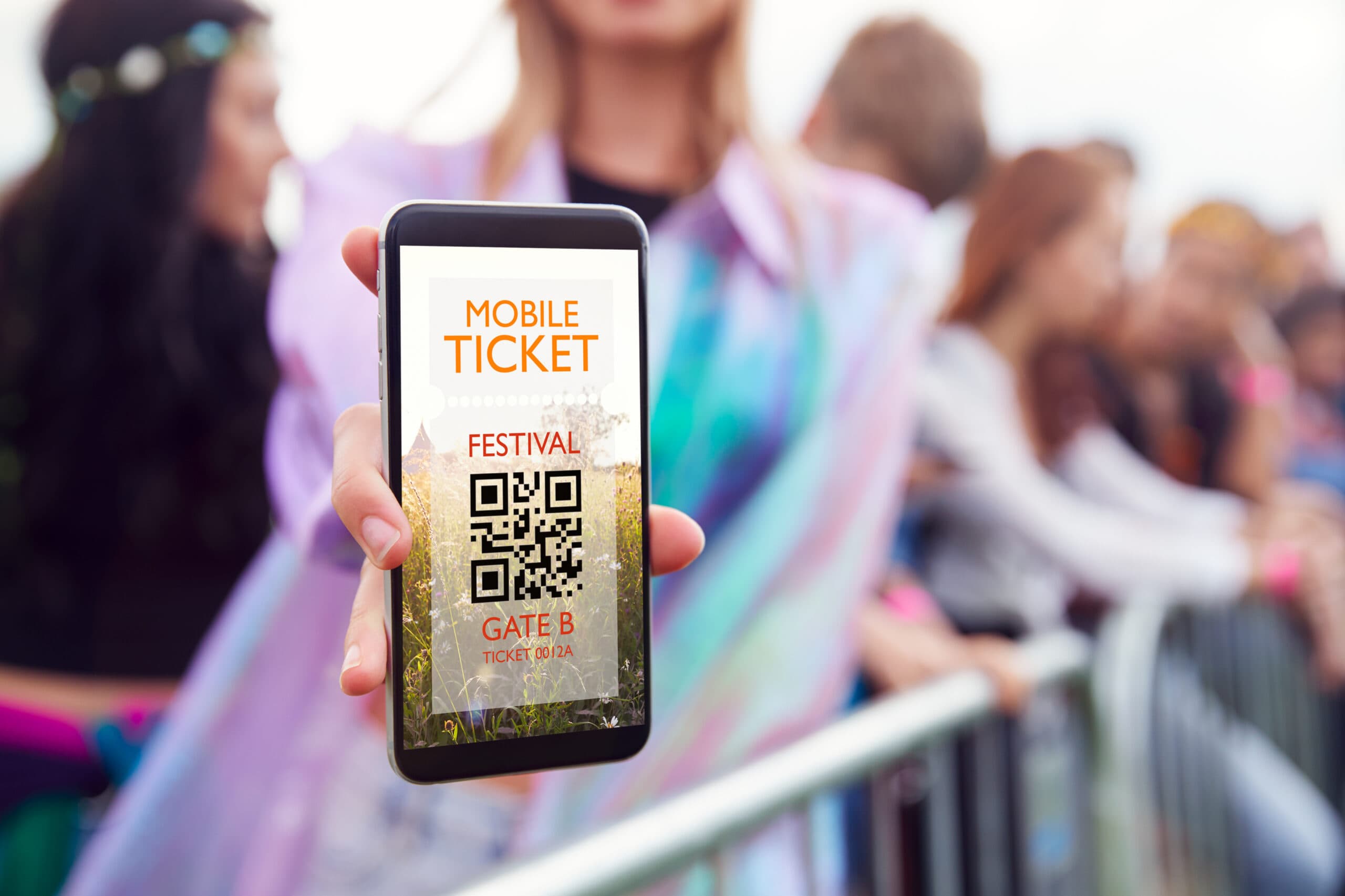
The big change for 2026 is that NFT adoption is increasingly tied to actual use rather than simple trading or flipping. Instead of focusing on short lived hype collections, developers and brands are creating tokens that serve as access keys permission slips and membership credentials. Examples of real utility already emerging include event tickets that prevent fraud via blockchain verifies authenticity and membership NFTs that unlock benefits or features within communities. These developments show NFTs being used as functional tools that integrate into digital services without requiring users to think about the underlying blockchain technology.
Another major catalyst is the integration of NFTs into everyday digital experiences like gaming brand engagement and real world asset tracking. When millions of wallets hold NFTs that unlock gameplay features or community perks that is real adoption. Big brands can issue NFTs without even calling them NFTs simply because they want traceable digital ownership for customers. This could include loyalty programs collectible game assets or digital receipts that double as tokens with ongoing benefits.
Utility driven NFTs also extend into loyalty systems and rewards programs where token holders earn evolving perks based on long term participation rather than simple resale value. These use cases create longer holding periods and real economic incentives for ownership rather than speculative behavior. Slim trading volumes in earlier years may have been uncomfortable, but they helped filter out projects without staying power and cleared the way for a more mature ecosystem built on tangible value.
As mainstream awareness of NFTs grows blockchain usage is becoming more accessible and less intimidating for average users. For meaningful adoption to occur people need to interact with NFTs without worrying about wallets private keys or complicated steps. In 2026 many platforms aim to remove this friction by simplifying user experience and embedding NFTs into apps and services where the tokenized technology works smoothly behind the scenes.


-640x427.png&w=3840&q=75)
-3-640x427.png&w=3840&q=75)
-300x200.png&w=3840&q=75)
-300x200.png&w=3840&q=75)

-300x200.png&w=3840&q=75)