Ever wondered how Japan taxes crypto? You’re not alone. Japan’s been ahead of the curve for years when it comes to regulating digital assets, and now its new 20% flat tax rate has everyone talking from traders in Tokyo to crypto fans overseas. It’s a big shift, one that’s sparking both curiosity and excitement. But what’s really behind this change? Why now? And how does Japan’s approach compare to what other countries are doing? Let’s dig in.
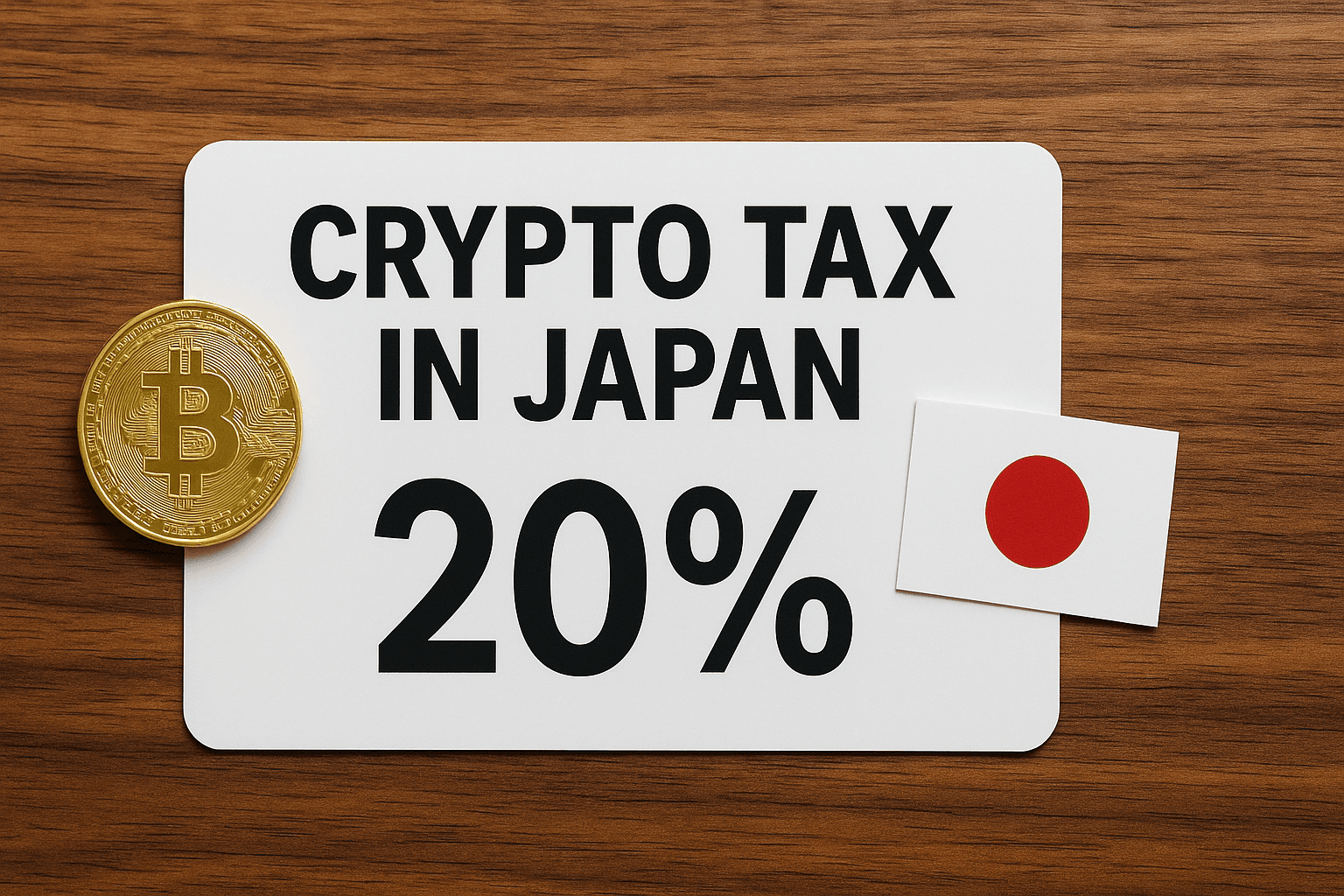
What Is the New 20% Crypto Tax in Japan? Here’s the deal. Japan recently approved a flat 20% tax on crypto income. Before this, earnings were tangled in a progressive tax system that could swallow more than half of your profits up to 55%. Painful, right? The new approach is way simpler. Now crypto gains get taxed like stock profits: steady, straightforward, and predictable. And it’s not just about simplicity. This move sends a message. Japan’s saying, loud and clear, that crypto isn’t some fringe experiment anymore it’s part of the real financial world.
Why Did Japan Introduce the 20% Flat Rate?The truth is, the old system was driving people away. Imagine pulling off a great trade only to watch half your profit disappear into taxes. It hurt. Investors stopped trading. Innovation slowed down. And that’s not good for a country trying to stay relevant in Web3. The government finally caught on: if you make the system fairer, people will stay, build, and invest. So they flattened the rate. It’s cleaner, simpler, and a lot friendlier to everyone involved.
Who Does the Tax Apply To?This new rule doesn’t play favorites. It covers anyone earning crypto in Japan casual traders, long-term holders, DeFi enthusiasts, and even companies working with digital assets. If your crypto income comes from Japan, you’re covered. Non-residents might be, too, depending on international treaties. Basically, if crypto money moves through Japan, it’s on the radar.
How Is Crypto Income Calculated Under the New Rule?Crypto income goes way beyond just selling coins for yen. It includes trading profits, staking rewards, mining earnings, and DeFi yields. Everything’s grouped together and taxed at that same flat 20% rate. One rule. One number. Finally, something that makes sense.
A Simple Example of Crypto Tax in Japan, Say you buy ETH for ¥2,000,000 and later sell it for ¥3,000,000. That’s a profit of ¥1,000,000. Under the new rule, you owe 20% ¥200,000 in taxes. No crazy math, no guessing games. Just clean, predictable numbers.


-640x427.png&w=3840&q=75)
-640x427.png&w=3840&q=75)