Exploring the future of Ethereum validation and why hardware demands could reshape participation
Ethereum developers are working on a major shift in how the network verifies transactions one that could make it significantly easier for everyday users to participate in validation, but also comes with surprising hardware challenges. At the heart of this change is the transition from re-executing every transaction in a block to using compact execution proofs that validators can quickly verify. This effort is positioned as a foundational improvement to Ethereum’s Layer-1 scalability and decentralisation.
A Quiet but Fundamental Transformation
The Ethereum protocol has historically relied on validators re-executing all transactions in each block to confirm correctness. In the upcoming upgrades, developers are prototyping an alternative path where some validators can simply verify proofs that attest to the correct execution of transactions, instead of re-running the execution logic themselves. This concept is framed in EIP-8025, known as “Optional Execution Proofs,” and is part of a broader roadmap toward a more scalable and efficient network.
EIP-8025 introduces two new modes for validators
Proof-generating validators that produce compact proofs of correct execution, and
Stateless validators that verify those proofs without needing the full execution history.
This approach is expected to reduce the computational burden and allow more validators to participate without running heavyweight execution clients. The proposal remains backward compatible, meaning validators can still operate with traditional re-execution if they choose.
If this model succeeds, it shifts Ethereum’s core validation role from simple settlement and data availability toward high-throughput execution with verification workloads that could be kept light enough for home validators and smaller stakes.
The Hardware Reality A 12 GPU Threshold
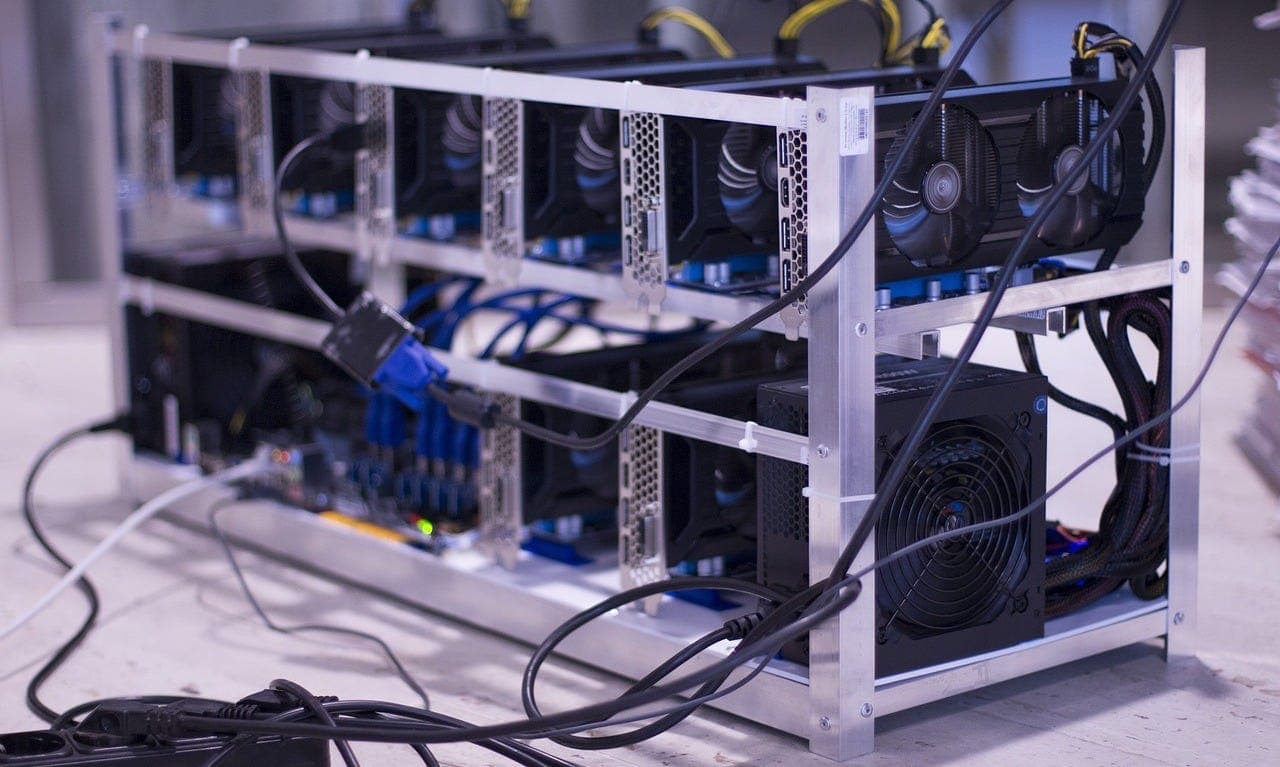
While the idea of proof verification sounds like a win for decentralisation, real-world hardware needs raise a new concern. Recent research and community discussions suggest that generating a proof for a full Ethereum block currently requires a surprisingly high amount of GPU power approximately 12 high-end GPUs running in parallel to achieve an average proving time of about seven seconds.
This hardware threshold roughly a 12 GPU machine could unintentionally centralise proof generation to specialised operators or well-funded mining-style facilities, rather than the everyday “garage staker” with a laptop or modest setup. In other words, Ethereum might trade one form of decentralisation constraint (running a full execution client) for another: the need to access GPU clusters or specialised proving infrastructure.


-640x427.png&w=3840&q=75)

-2-300x200.png&w=3840&q=75)