How Beijing’s latest restrictions on virtual currencies and real world asset tokens are reshaping the future of digital finance
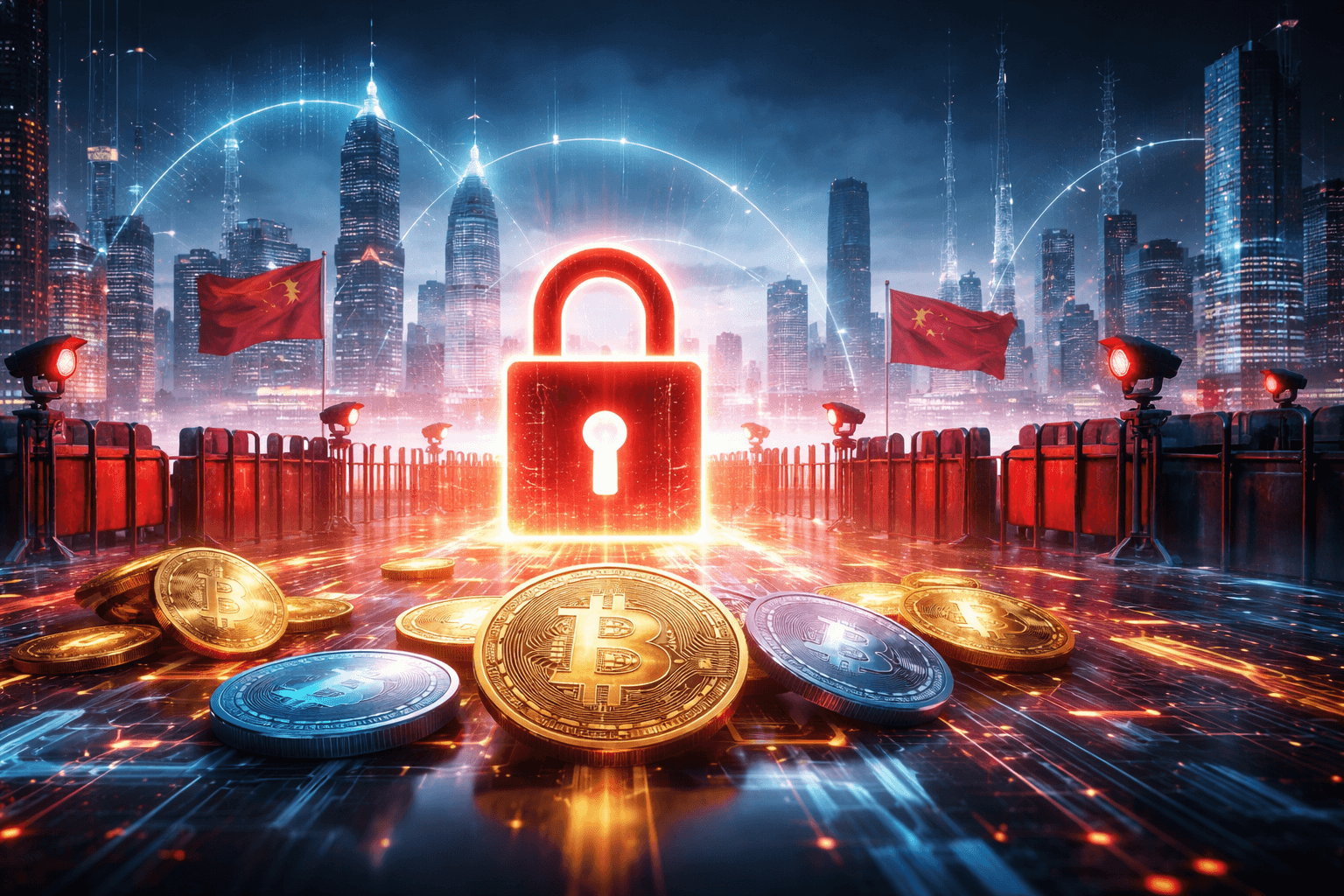
In early February 2026, Chinese regulators issued a powerful new notice tightening rules on cryptocurrency and related digital finance activity. This announcement, which expanded the country’s long-standing ban on virtual currencies, marked a significant escalation in Beijing’s campaign to control crypto markets and clamp down on speculative digital asset activity. The updated policy continues a broad prohibition on most crypto dealings and brings what’s known in the industry as real world asset (RWA) tokenisation squarely into the regulatory spotlight.
What the New Announcement Says
At its core, the latest regulatory notice from China reiterates the government’s hard line stance on cryptocurrencies: they have no legal currency status, and related market activities are deemed illegal financial conduct within the country. Despite the global spread of crypto technology, traditional virtual currencies like Bitcoin and Ethereum remain prohibited from use in China, and authorities are now extending these restrictions even further.
One of the most notable changes in the new framework is the specific inclusion of real world asset tokenisation that is, the process of converting physical or financial assets like real estate, stocks, or commodities into blockchain-based tokens that can be traded digitally. This concept, which has attracted interest in global markets as a way to modernise asset ownership and improve liquidity, is now subject to strict supervision and, in many cases, outright prohibition within China.
Under the updated rules, no entities whether based domestically or offshore but controlled by domestic institutions may issue virtual currencies or engage in RWA tokenisation without prior approval from Chinese regulators. This applies to stablecoins pegged to the yuan and to blockchain tokens backed by onshore assets, closing a regulatory loophole that some firms previously used to partner with overseas exchanges.
Why China Is Taking This Stance
The expanded crackdown reflects broader concerns by Chinese authorities about the financial risks posed by crypto markets. Decentralised digital assets operate outside the traditional banking system, making it difficult for regulators to track capital flows and enforce safeguards against money laundering, fraud and illicit financial behaviour. Chinese state media and official communications have cited these dangers, warning that speculative activity involving crypto and tokenised assets can destabilise economic and financial order.


-640x427.png&w=3840&q=75)
-1-640x427.png&w=3840&q=75)
-300x200.png&w=3840&q=75)