Why Fear-Driven Headlines Missed the Real Story Behind Bitcoin’s Resilience
In 2025, Bitcoin faced repeated waves of pessimism, with commentators and analysts proclaiming its demise four separate times often tied to sharp price dips, macro turbulence, or speculative narrative breakdowns. Yet while sensational headlines dominated social feeds, a quieter transformation was unfolding beneath the surface: an unprecedented boom in Bitcoin infrastructure investment, adoption of mining and node technologies, and real-world integration of BTC into financial systems. This hidden growth tells a far more resilient and optimistic story than the “Bitcoin is dead” headlines would suggest, and underscores the difference between momentary price psychology and structural network strength.
Critics in 2025 pointed to volatility as evidence of Bitcoin’s fragility. Each sharp retracement was packaged as proof that Bitcoin’s narrative had failed, or that newer assets had overtaken it in relevance. But digging deeper into on-chain data and ecosystem metrics reveals that many of these retracements were liquidity-driven resets, where short-term traders exited positions and longer-term stakeholders including institutions continued to build positions, expand infrastructure, and fortify participation.
One of the clearest indicators of this resilience showed up in infrastructure expansion: mining facilities scaled up, node deployments increased in key jurisdictions, and enterprise-grade custody networks entered or expanded in the space. Institutional players, including banks and fintech firms, began piloting or deploying Bitcoin settlement rails, custody offerings, and integration with traditional finance systems moves that require long planning cycles and regulatory compliance, not short-term speculation.
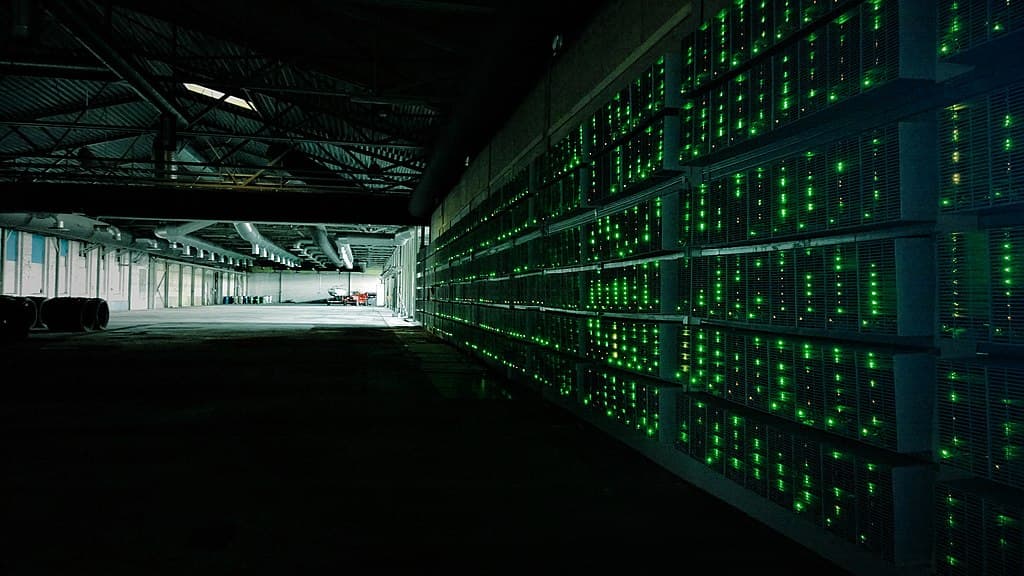
The mining landscape also saw significant evolution. As prices fluctuated, mining hash rate a measure of total computational power securing the network continued to climb, demonstrating ongoing capital investment and confidence in Bitcoin’s long-term security model. New mining centers came online, deploying more efficient rigs and tapping into renewable energy sources, signaling a maturation of the network’s physical backbone even as price narratives oscillated.
Bitcoin’s narrative in 2025 wasn’t just about price charts it was also about integration into financial and payment infrastructure. Several markets saw expanded use of Bitcoin for cross-border settlement, merchant adoption in select regions, and development of regulated financial products tied to BTC exposure. These developments often don’t make “death of Bitcoin” headlines, yet they represent real advances in utility and legitimacy.


-640x427.png&w=3840&q=75)
-3-640x427.png&w=3840&q=75)
-300x200.png&w=3840&q=75)
-300x200.png&w=3840&q=75)